
High-Performance Felt Roofing in Dublin: Torch-On Systems & Underlays
Why Dublin Felt Roofs Fail and How Modern Systems Solve It
Traditional felt roofs have protected Dublin properties for generations, but older installations frequently struggle under the weight of Atlantic weather. Pour-and-roll bitumen systems and outdated 1F underfelts installed decades ago break down under constant rain, winter freeze-thaw cycles, and summer ultraviolet exposure.
On flat surfaces like extensions and garages, aged felt loses its natural elasticity, creating surface blisters, hairline fissures, and open perimeter seams where ponding water seeps into underlying timber decks. Underneath pitched slate and tile roofs, brittle bitumen felt dries out and tears away from the rafters, allowing wind-driven moisture to bypass the outer tiles and penetrate directly into your attic.
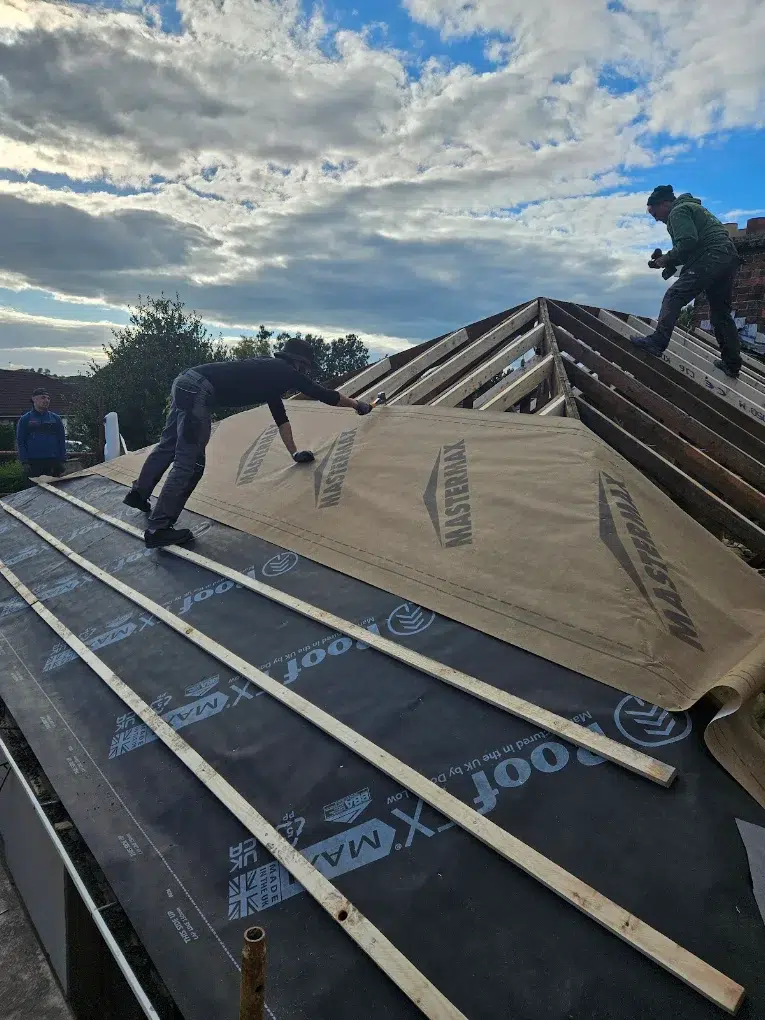
At MP Roofing, we bring modern, high-grade waterproofing technology to Dublin felt roofing. We replace failing flat roofs with advanced, polymer-modified torch-on elastomer membranes engineered to expand and contract with temperature shifts without splitting.
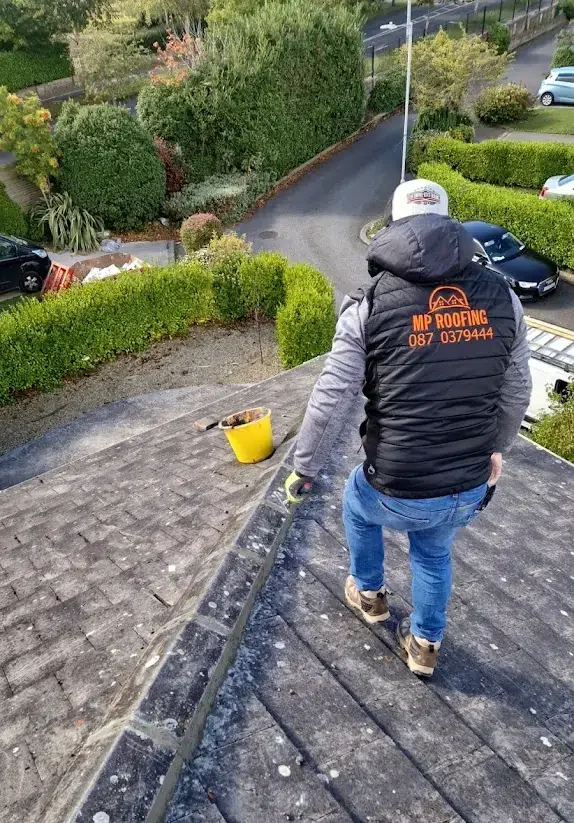
On pitched roofs, we replace rotted felt with modern vapour-permeable breathable underlays that prevent attic condensation while locking out external moisture. Backed by 15+ years on the tools, €6.5 million in public liability cover, and Safe Pass certification, Mike and the crew inspect every square metre on camera, verify the health of your decking timbers, and deliver long-lasting felt installations backed by written guarantees.
4.9 Rated With Over 40 Reviews



The Specific Roofing Challenges Dublin Homes Face
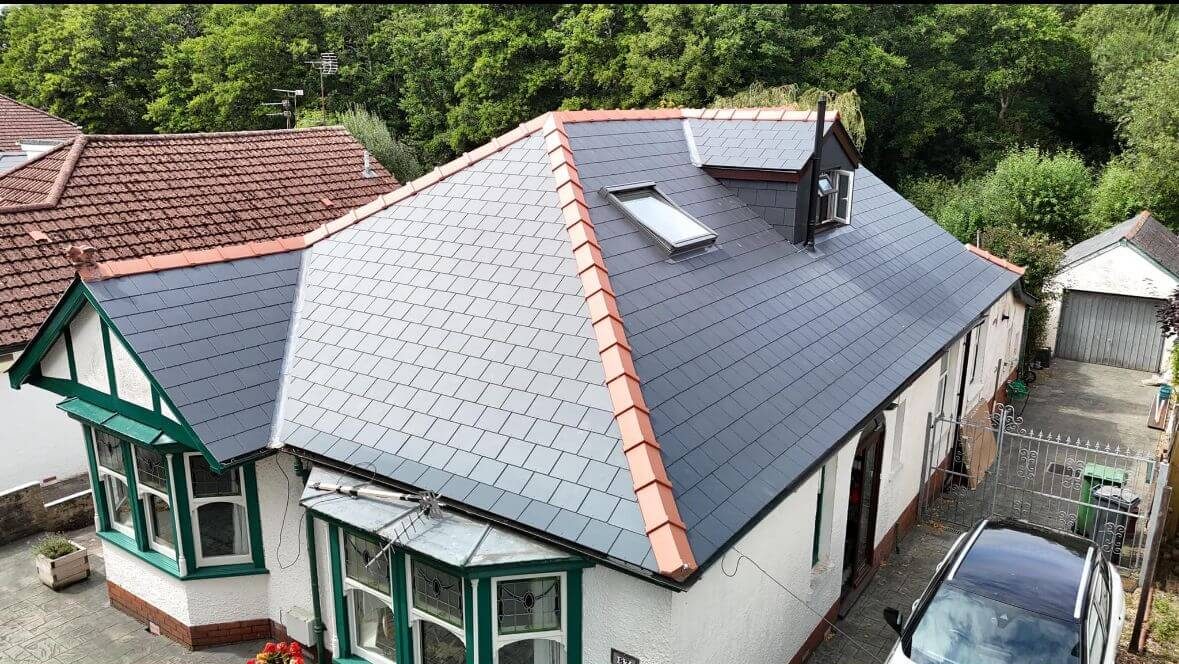
Dublin’s varied housing stock presents unique structural challenges that require an experienced local eye. From Victorian and Edwardian redbrick properties along the South Circular Road and Ranelagh to mid-century housing estates in Crumlin, Cabra, Artane, and Walkinstown, each era of construction has its own failure points.
Coastal Winds and Slipped Slates: Homes along Dublin Bay—from Howth and Sutton to Clontarf, Blackrock, and Dún Laoghaire—face intense wind-driven rain. High gusts catch aged slate hooks and corroded copper roofing nails, causing tiles to rattle loose and expose the structural roof deck underneath.
Perished Bitumen Underlay: Thousands of semi-detached and terraced homes built across Dublin between the 1950s and 1980s were constructed using non-breathable bitumen felt. Over 40 to 60 years, this material turns brittle, tears around rafter edges, and disintegrates into dry dust. Once this secondary waterproof barrier fails, any wind-driven moisture that penetrates past your surface tiles drops straight into your attic space.
Party Wall and Valley Ingress: Dublin’s terraced and semi-detached neighborhoods frequently suffer from water crossing boundaries. Shared lead valleys, parapet wall flashings, and party wall joins often crack due to building movement or aged cement bedding, sending water down internal cavity walls where it is hardest to trace.
Freeze-Thaw Mortar Degradation: Traditional sand-and-cement mortar on ridge caps and hip verges absorbs moisture during wet Dublin winters. When sub-zero frosts arrive, that trapped water expands, blowing the mortar apart and leaving your ridge tiles sitting loose on the structural apex of your home.
Areas We Serve Across Dublin
Our crews provide rapid callouts and full felt roofing services across all postal districts and surrounding county borders:
North Dublin: Swords, Malahide, Portmarnock, Sutton, Howth, Clontarf, Santry, Glasnevin, Drumcondra, and Baldoyle.
South Dublin: Ballsbridge, Donnybrook, Ranelagh, Rathmines, Rathgar, Terenure, Blackrock, Dún Laoghaire, Dalkey, Leopardstown, and Ballinteer.
City Centre & West Dublin: South Circular Road, Dublin 8, Crumlin, Walkinstown, Lucan, Clondalkin, and Tallaght.
The MP Roofing Diagnostic: Inspecting Felt on Camera
Because flat roofs and attic underlay are hidden from view, identifying whether a felt roof requires a simple seam reseal or a full deck replacement is impossible from the ground.
Rogue contractors often take advantage of this uncertainty by quoting for unnecessary timber replacements or applying cheap coatings that wash away in months.
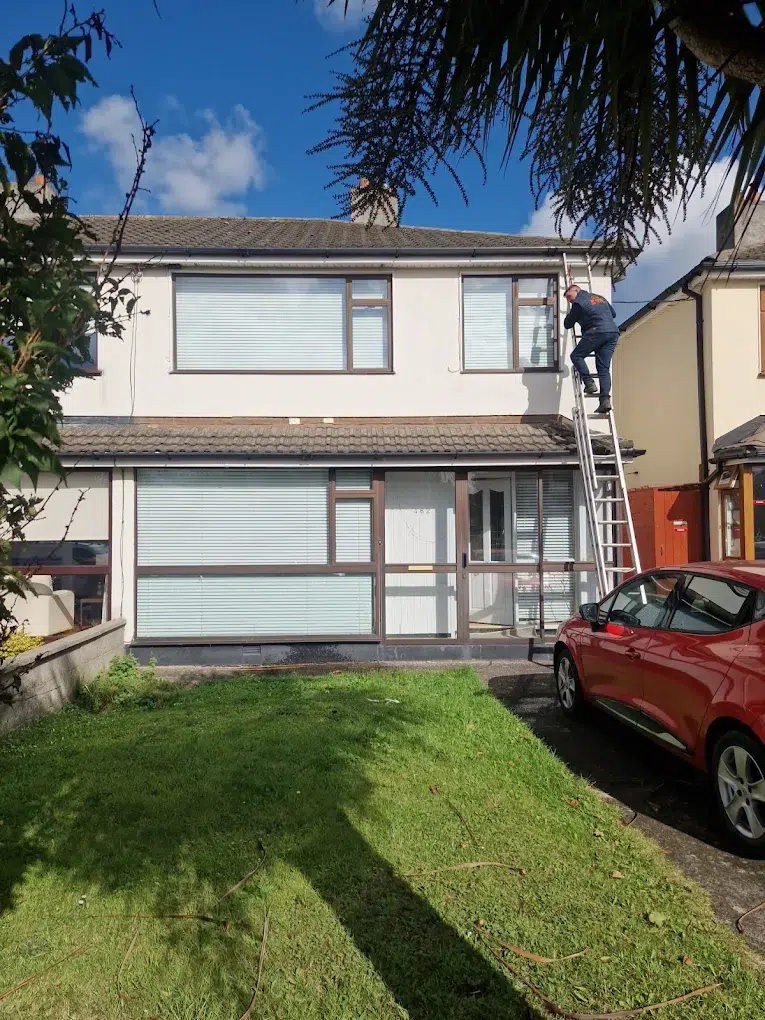
MP Roofing takes all the guesswork out of felt roofing work. Mike climbs onto your roof to record high-definition video of your membrane laps, perimeter flashings, drainage falls, and underlying timber firmness.
We review this footage with you on the ground, pointing out exactly where seams have separated or where water has compromised the deck.
Once work is underway, we document each layer of membrane installation before handing over comprehensive completion photos alongside your written guarantee.
Our Specialist Felt Roofing Services
Your Felt Roofing Questions Answered
How long does a modern torch-on felt roof last in Ireland?
While old pour-and-roll felt roofs often failed after 10 to 12 years, modern SBS (Styrene-Butadiene-Styrene) modified torch-on systems are designed to last 25 to 30 years with minimal maintenance. The added polymers give the bitumen exceptional flexibility, allowing it to stretch and recover during extreme heat and winter frosts without cracking.
What is the difference between traditional bitumen felt and breathable roofing underlay?
Traditional bitumen felt (often called 1F tar felt) is completely non-porous and non-breathable. While it blocks rain, it traps warm household humidity inside your attic, causing condensation, damp timbers, and mold. Modern vapour-permeable breathable membranes allow moisture vapour from your home to pass through and evaporate while remaining completely impermeable to exterior driving rain.
Can you repair a leaking felt roof without replacing the whole surface?
Yes. If the underlying timber deck is solid and the issue is restricted to a separated joint, a localized puncture, or split upstand flashing against a wall, a targeted repair is often completely effective. We heat-weld heavy-duty capping patches over the damaged area to create a watertight, permanent seal covered by our written 5-year repair guarantee.
How do you prevent water from ponding on a flat felt roof?
Standing water is caused by an inadequate slope or sagging timber decking. When installing a new felt roof, we inspect the fall of the roofline and fit tapered timber firrings or cross-battening to ensure rainwater flows smoothly toward your drainage outlets and gutter troughs, preventing puddles from forming.
What guarantee do you provide on new felt roof installations?
Every full torch-on flat roof installation and complete breathable underlay replacement carried out by MP Roofing comes with our written 20-year structural warranty. In the unlikely event that a material defect or workmanship issue arises during that time, our team returns to rectify it promptly.
Any Questions?
Ask Us
More Roofing Services We Offer

Roof Repairs & Emergency Leaks

New Roof Installations & Complete Re-Roofing

Flat Roof Systems: Torch-On & Lava 20

Slate & Tile Roofing

Felt & Batten Replacements

Chimney Repairs, Repointing & Flashing

Gutters, Fascia & Soffit Upgrades

Gutter Repairs

Skylight & Velux Window Repairs
Book Your Dublin Felt Roof Inspection Today
Protect your flat extension, garage, or attic from persistent damp and timber decay. Speak directly with Mike today to discuss your felt roofing project, arrange a same-day emergency repair callout, or schedule a free on-site video inspection with an honest, fixed quote.